">
Allwork Logo
Painting • Waterproofing • Fences • Water Systems

Dry Walls.
Healthy Living Spaces.

We specialise in diagnosing and treating all forms of damp.

Let's eliminate your damp problem, halt moisture rise and restore your brickwork.

Get a Dampproofing Quote

Moisture-Meter Verified Every wall is tested before and after treatment.
10-Year Written Guarantee Backed by a formal, transferable warranty.
Salt-Retardant Plaster Systems Specialised render that resists recurring salt damage.
Transparent Process

How We Work

From initial moisture diagnosis to final protective sealing, we ensure your residential damp proofing system eliminates moisture ingress, protects structural masonry, and keeps your living spaces dry and healthy.

1

Moisture Diagnosis & Damp Assessment

Detailed on-site inspection to identify the root cause — whether rising damp, lateral damp, or sub-floor condensation — and specify the exact chemical or physical barrier required.

2

Surface Prep

Thorough removal of salt-contaminated plaster, followed by precision drilling and high-pressure chemical Damp Proof Course (DPC) injection or tanking membrane application to stop water migration.

3

Specialist Re-Plastering & Handover

Application of salt-retardant plaster render systems, complete site cleanup and debris removal, and a final moisture level check before handing back a clean, dry, and protected home.

Diagnostic Expertise. No Guesswork.

Advanced Moisture Diagnostics

Visible damp is usually just the symptom. If the damp is more extensive, we are able to find the source by utilising:

  • Thermal Imaging Cameras Detecting cold spots and trapped water inside concrete slabs and double-cavity walls without destructive breaking.
  • Deep-Penetration Moisture Meters Measuring precise subterranean saturation levels in brickwork to determine the exact chemical injection volume required.

Understanding Your Damp Problem

Rising Damp

Groundwater drawn upwards through the brickwork via capillary action, usually due to a failed or missing DPC. Causes bubbling plaster and salt crystallization at skirting board levels. Requires chemical injection barriers.

Penetrating Damp

Moisture traveling horizontally through walls due to driving rain hitting porous bricks, cracked plaster, or unsealed parapets. Requires severe weather coatings and crack cross-stitching.

Lateral Damp

Water ingress from soil resting against an exterior wall (e.g., built-in planters, retaining walls, or raised ground levels). Requires positive/negative side tanking membranes.

Site Operations

Our Dust-Free Promise.

Damp-proofing involves chipping away old, contaminated plaster, which generates fine dust. We respect your home and keep the process contained, protected, and clean from start to finish.

Total Indoor Isolation

We completely isolate indoor work areas and cover all furniture and flooring with heavy-duty drop sheets to prevent plaster dust from spreading into your home.

Daily Rubble Removal

We do not leave rubble lying around; our teams clean the work site and safely remove all contaminated masonry debris daily before they leave.

Clean Handover Standard

Once chemical injection and salt-retardant replastering are complete, we perform a thorough final cleanup, leaving your home spotless, dry, and healthy.
Our Work

Local Project Gallery

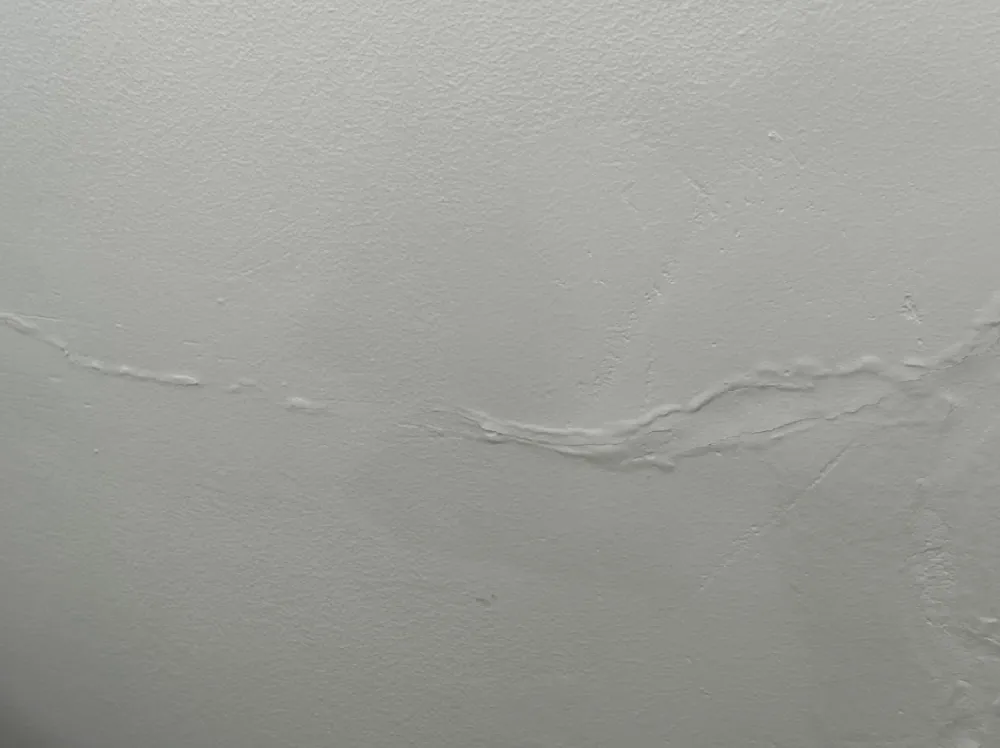
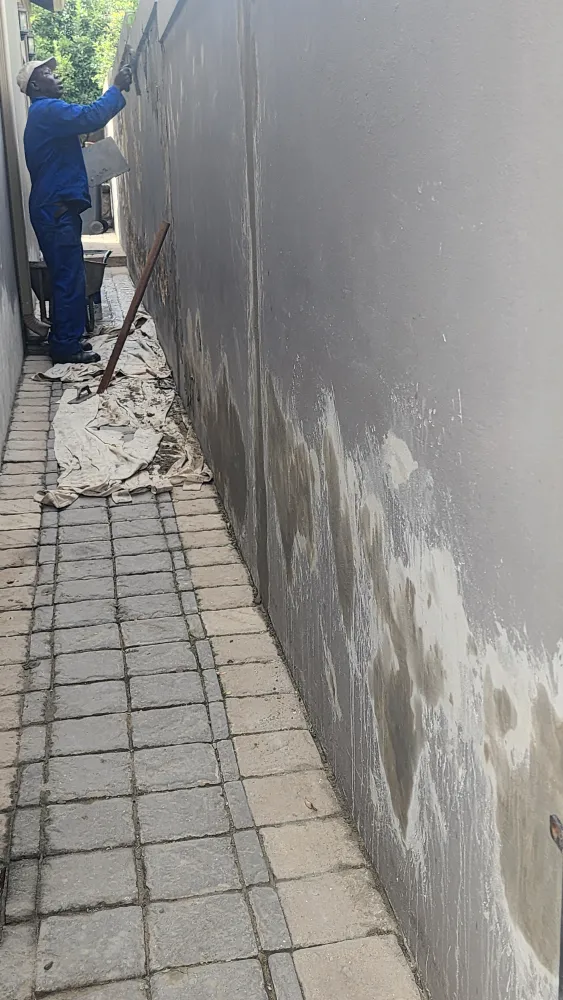
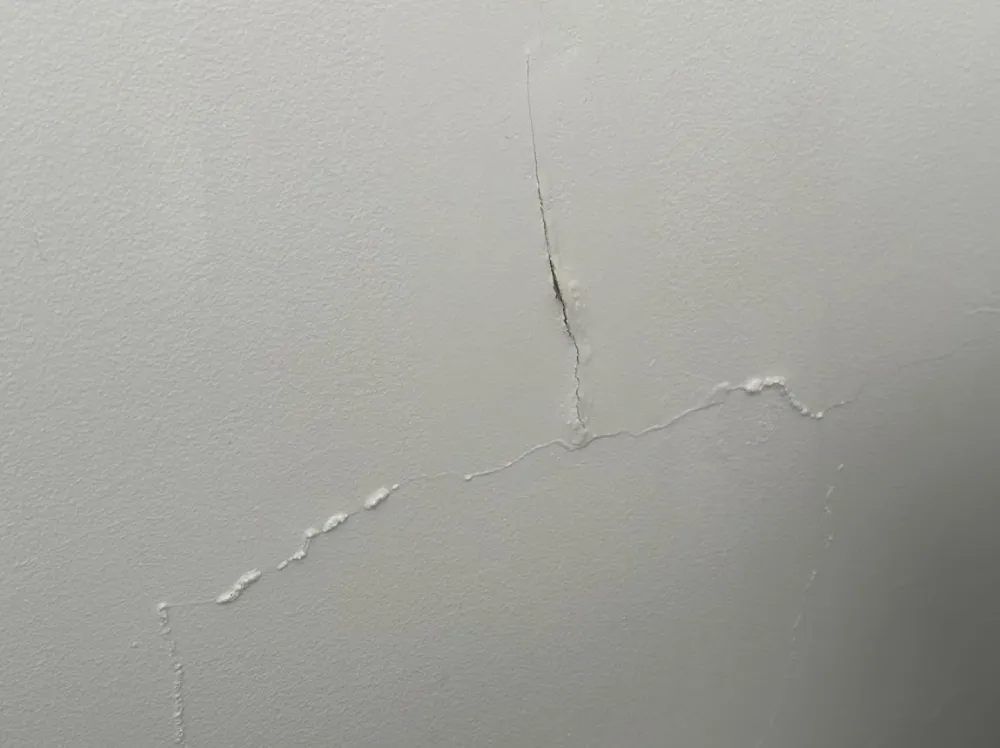
Damp affected wall before treatment

Damp-Affected Wall

Early signs of rising damp on plaster

Early Damp Signs

Untreated damp causing plaster deterioration

Untreated Damp Damage

Completed residential damp-proofing project

Completed Project

Frequently Asked Questions

How do I tell the difference between rising damp and condensation?
Rising damp usually appears as a tide mark up to about a metre on internal walls, with crumbling plaster and salt staining, and tends to be worse in winter. Condensation shows up as surface moisture and black mould, especially on cold walls, windows, and ceilings in poorly ventilated rooms, and is worse when rooms are closed up. A moisture meter reading, combined with the pattern and location of the damp, tells us definitively which one we're dealing with.
How long does it take for walls to dry out after a chemical injection?
The injected chemical barrier itself becomes active within days, but the existing moisture trapped in thick masonry walls needs time to evaporate out. Depending on wall thickness and the season, full drying typically takes 4 to 12 weeks before we recommend a final decorative finish.
Does your damp-proofing service include re-plastering and repainting?
Yes. Our standard scope includes hacking off contaminated plaster and re-plastering with a salt-retardant render system. Painting and full decorative touch-ups can be quoted for separately, or combined with a full interior painting project if you'd like the whole room refreshed at once.
What guarantee do you offer on damp-proofing work?
All chemical DPC injection and tanking work carries a 10-year written guarantee, verified at handover with a final moisture-meter reading so you have documented proof the walls were dry before we signed off.
Will fixing the damp help if I'm planning to sell my house?
Absolutely. Rising and lateral damp are common red flags on a home inspection report and can hold up a sale or reduce your offer. Having the damp professionally treated, with a written guarantee and moisture-meter results, gives buyers and their inspectors confidence and protects your asking price.

Service Areas in Gauteng

We operate extensively across the Gauteng province, delivering top-tier residential damp-proofing services to major hubs including:

  • Sandton & Bryanston
  • Centurion
  • Midrand
  • Pretoria East
  • Randburg
  • East Rand